


“For want of a nail, the shoe was lost.
For want of a shoe, the horse was lost.
For want of a horse, the rider was lost.
For want of a rider, the battle was lost.
For want of a battle, the kingdom was lost,
And all for the want of a horseshoe nail.”
Can you see the cause-and-effect chain in this poem? It all begins with something as small as a missing nail. So, can we say that for want of a nail, an entire kingdom was lost? How do we justify the link between the loss of a simple nail and the fall of a kingdom? Was the unfolding of events inevitable, or was it simply the result of an ordinary decision made by a common man?
This famous poem, included by Benjamin Franklin in his 1758 publication Poor Richard’s Almanack, highlights the profound consequences of seemingly trivial choices. But let’s step away from the poem for a moment and consider how we make decisions in our own lives. What drives us to make certain choices? Is it the anticipation of consequences, the urgency of the moment, emotional impulses, or external pressures? And why do we prioritize one motivation over another when making decisions?
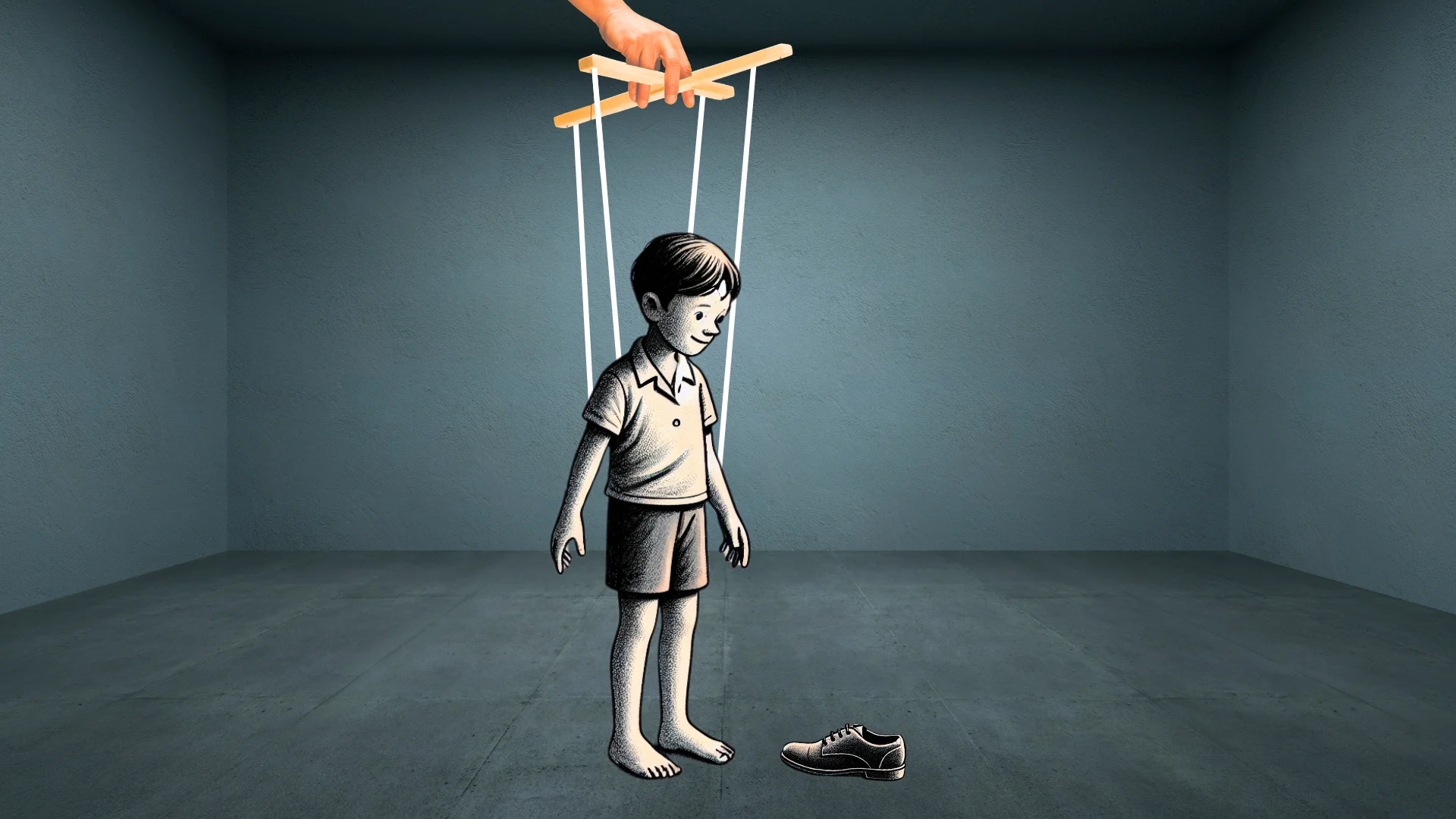
In many ways, we operate like systems. Our minds, bodies, and souls are conditioned to react in specific ways to given situations. It’s as if we have an internal database, built over time and stored in our subconscious, that influences our actions. This is where social conditioning plays a significant role. Social conditioning refers to the process by which society subtly trains us to behave in ways that are deemed acceptable by our peers and the broader community. (Social Conditioning, n.d.).
Every step we take is deeply influenced by what society has approved as “appropriate.” But who decides what is approved and what isn’t? Here’s where it gets interesting: much of the conditioning of our minds is done by ourselves—unintentionally. We train our minds to follow certain patterns, often without realizing it. It’s a hard truth, but one that deserves to be highlighted.
So, here’s a question for you, the reader: Does it take conscious effort and practice to make decisions free from social conditioning? Or can it happen in an instant, with a flash of realization? Perhaps if Benjamin Franklin had thought outside of the conventional norms of his time, he could have altered the course of events in the poem—maybe by choosing a different horse or an entirely different mode of transportation. But in the end, the well-trained mind followed the path it knew best.
Reference:
Social conditioning. (n.d.). DBpedia. https://dbpedia.org/page/Social_conditioning